DB6 Tool Steel (DIN 1.2714) is a widely used hot work tool steel for forging, die casting, heavy engineering and plastic mould industries. It offers an excellent balance of toughness, wear resistance, impact strength, and heat resistance, making it suitable for demanding industrial applications.
Hardness of DB6 Tool Steel is an important factor that defines its performance properties, tool life, machinability and ability to resist deformation under high pressure and high temperature conditions. The right heat treatment to the correct Rockwell Hardness (HRC) will ensure optimum performance in forging dies, extrusion dies, hammer dies and pressure die casting application.
In this comprehensive guide, we cover DB6 Tool Steel hardness (HRC), heat treatment process, mechanical properties, applications, comparison with other tool steels, pricing considerations, and why Virat Steels is one of India’s trusted suppliers of premium-quality DB6 Tool Steel.
What is DB6 Steel?
DB6 Tool Steel is a high quality hot work tool steel, equivalent to DIN 1.2714, (AISI L6), (55NiCrMoV7). It is a nickel-chromium-molybdenum-vanadium alloy steel known for outstanding toughness and excellent resistance to thermal fatigue.
Compared to conventional hot work steels, DB6 provides:
Superior impact strength
High toughness
Excellent wear resistance
Good hardenability
Outstanding resistance to cracking
Longer die life
Excellent polishability
Good machinability
These characteristics make DB6 an ideal choice for large forging dies, hammer dies, die holders, extrusion tooling, pressure die casting dies, and heavy-duty industrial tools.
International Equivalents of DB6 Tool Steel
DB6 Tool Steel is internationally recognized under theDIN 1.2714 standard and is equivalent to EN 55NiCrMoV7. It is also considered an approximate equivalent to AISI L6 in certain applications. In India, DB6 is widely known by its trade name and is commonly used as a premium hot work tool steel for forging dies, die casting dies, extrusion tooling, and heavy engineering applications.
Chemical Composition of DB6 Tool Steel
DB6 Tool Steel contains a balanced combination of carbon, chromium, nickel, molybdenum, and vanadium, providing excellent toughness, wear resistance, and hot strength. This alloy composition ensures superior impact resistance, good hardenability, and extended tool life in demanding hot work applications.
Element
Composition (%)
Carbon (C)
0.50–0.60
Silicon (Si)
0.10–0.40
Manganese (Mn)
0.65–0.95
Chromium (Cr)
1.00–1.20
Nickel (Ni)
1.50–1.80
Molybdenum (Mo)
0.45–0.55
Vanadium (V)
0.07–0.12
Mechanical Properties of DB6 Tool Steel
DB6 Tool Steel offers an excellent combination of toughness, wear resistance, and heat resistance, making it ideal for high-impact and hot work applications such as forging and die casting.
Property
Typical Value
Density
7.85 g/cm³
Tensile Strength
High
Toughness
Excellent
Wear Resistance
Excellent
Heat Resistance
Excellent
Thermal Fatigue Resistance
Excellent
DB6 Tool Steel Hardness (HRC)
Hardness is the most important property when selecting DB6 Tool Steel for industrial tooling.
Different hardness according to different Tempering temperature conditions.
– Annealed condition – 255 BHN max
– Hardened and Tempered condition- 38 to 42 HRC
annealed stock measures up to 255 BHN, standard mill-supply condition is tempered to 38–42 HRC for machining, and finished dies are re-hardened and tempered to a working hardness of 45–56 HRC depending on whether the application prioritizes toughness or wear resistance.
Heat Treatment of DB6 Tool Steel
Proper heat treatment is essential to achieve the desired hardness and mechanical properties.
The process generally involves:
Annealing
Stress Relieving
Hardening
Quenching
Tempering
Each stage contributes to the final balance of hardness, toughness, and dimensional stability.
Annealing
Annealing softens the material, improves machinability, and relieves internal stresses before hardening.
Recommended Process:
Heat slowly to 840–860°C
Hold for sufficient soaking time
Cool slowly inside the furnace
Resulting Hardness:
Approximately 220–250 HB
Stress Relieving
Stress relieving is recommended after rough machining.
Temperature: 600–650°C
Hold for 2 hours
Furnace cool slowly
This minimizes distortion during final hardening.
Hardening
The hardening process significantly increases hardness and wear resistance.
Procedure:
Preheat: 600 – 650°C
Austenitize: 840–870°C
Oil or polymer quench
Air cooling where appropriate
The resulting hardness typically reaches 54–56 HRC before tempering.
Tempering
Tempering reduces brittleness while maintaining the desired hardness.
It is recommended to temper immediately after quenching.
Typical Tempering Range:
450–650°C
Double tempering is often recommended for improved dimensional stability and toughness.
Advantages of Proper Heat Treatment
By improving the mechanical properties and durability of the steel, proper heat treatment can improve the performance and service life of DB6 Tool Steel.
Enhanced wear resistance
Greater durability
Improved thermal fatigue resistance
Less risk of cracking
Longer life of die
Reduced maintenance costs
Applications of DB6 Tool Steel
DB6 Tool Steel (DIN 1.2714) is a popular choice for hot work applications requiring high toughness, wear resistance and resistance to thermal fatigue. It is ideal for the manufacture of heavy duty dies and tools used under extreme operating conditions.
Industry
Typical Applications
Forging
Closed forging dies, hammer dies
Die Casting
Aluminium die casting dies
Extrusion
Extrusion dies
Automotive
Crankshaft and connecting rod dies
Plastic Moulding
Large mould bases
Heavy Engineering
Die holders and forging blocks
Aerospace & Defence
Heavy-duty tooling
Steel Plants
Hot shearing blades and press tools
DB6 Tool Steel Advantages & Disadvantages
Advantages
Disadvantages
Good impact resistance and toughness
More expensive than the usual alloy steels
Good wear and heat fatigue resistance
Needs proper heat treatment
Longer die life with less cracking
Not the best choice for high abrasive cold work applications (D2 is preferred)
Good hardenability and dimensional stability
Special tools are required for machining after hardening
Suitable for large forging dies, hot working tools
Material costs are higher for more expensive alloys
DB6 vs H13 Tool Steel Comparison
Property
DB6 Tool Steel (DIN 1.2714)
H13 Tool Steel (DIN 1.2344)
Steel Type
Hot Work Tool Steel
Hot Work Tool Steel
Toughness
Excellent
Very Good
Wear Resistance
Very Good
Excellent
Impact Resistance
Excellent
Very Good
Thermal Fatigue Resistance
Excellent
Excellent
Hot Hardness
Very Good
Excellent
Best Applications
Forging Dies, Hammer Dies
Die Casting & Extrusion Dies
Large Die Blocks
Excellent
Very Good
Relative Cost
Moderate
Moderate to High
Best Choice: Choose DB6 for heavy-impact forging applications requiring superior toughness, while H13 is ideal for high-temperature die casting and aluminium extrusion tooling.
DB6 vs H11 Tool Steel
Property
DB6
H11
Toughness
Excellent
Excellent
Wear Resistance
Higher
Good
Hardness
45–56 HRC
44–52 HRC
Thermal Shock
Excellent
Excellent
Large Blocks
Excellent
Good
Service Life
Longer
Good
Best Choice: DB6 is preferred where higher wear resistance and longer tool life are required.
DB6 vs D2 Tool Steel
Property
DB6
D2
Type
Hot Work
Cold Work
Toughness
Excellent
Moderate
Wear Resistance
High
Very High
Hot Strength
Excellent
Poor
Impact Resistance
Excellent
Moderate
Forging Dies
Excellent
Not Recommended
Cold Blanking
Not Ideal
Excellent
Best Choice: Use DB6 for hot work and D2 for cold work applications.
DB6, DIN 1.2714, and 55NiCrMoV7 are essentially the same steel grade with different designations. SKT4 is a close Japanese equivalent, while AISI L6 is an approximate equivalent with similar toughness but comparatively lower hot-work performance.
Available Sizes of DB6 Tool Steel
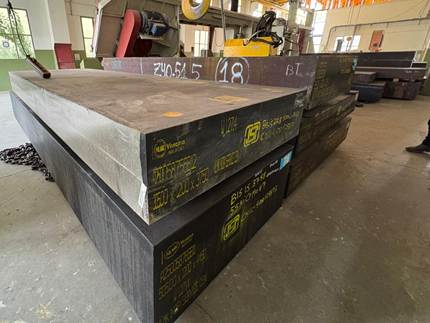
Virat Special Steels supplies DB6 Tool Steel in a wide range of standard and custom sizes to meet the requirements of die makers, tool rooms, automotive, engineering, and precision manufacturing industries.
Available Sizes (Flat)
Thickness: 13 mm – 1500 mm Width: 13 mm – 3000 mm Length: Available in standard mill lengths or custom-cut sizes on request.
Available Sizes (Round)
Diameter: 13 mm – 1500 mm Length: Standard mill lengths and customized cut-to-size options available.
Custom Processing Services
To minimize machining time and material wastage, we also offer:
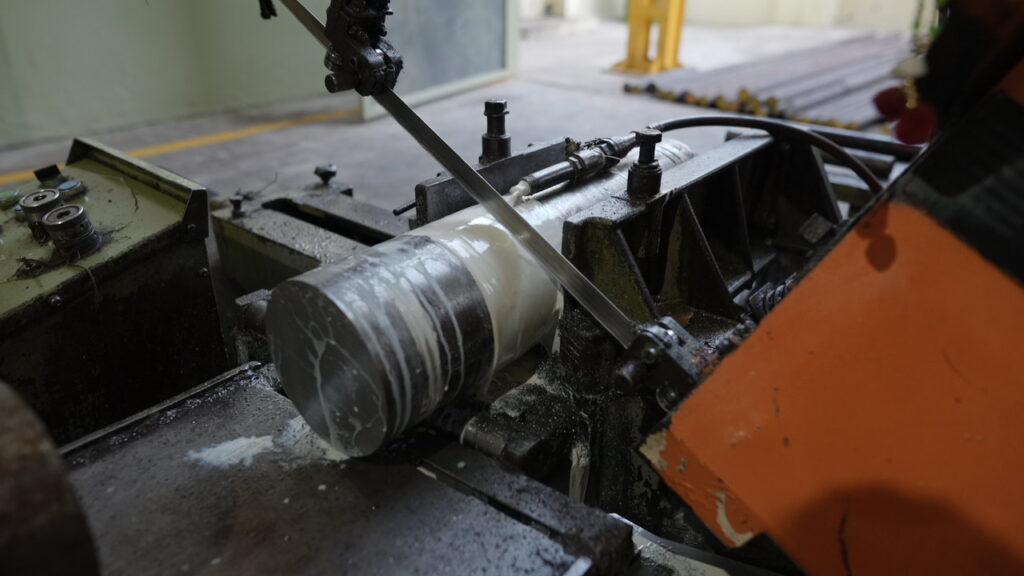
Precision cut-to-size material Bandsaw cutting Surface machining (on request) Bulk supply with batch-wise traceability Material Test Certificate (MTC) and EN 10204 3.1 certification (where applicable)
DB6 Case Study 40% Improvement in Die Life in Forging
Operations Customer Challenge
A drop-forging plant for automotive components experienced premature die cracking of crankshaft forging dies made from standard hot work steels leading to expensive downtime.
Solution
The tooling was upgraded to DB6 (DIN 1.2714) supplied by Virat Special Steels, vacuum heat treated and double tempered to an optimized 46-48 HRC.
Results
40% increased die service life Eliminate catastrophic die cracking in high energy impact Lower maintenance and machine downtime Forged at a lower cost per part
Certifications Available
Reputable suppliers typically provide:
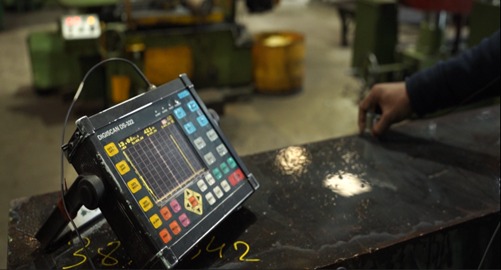
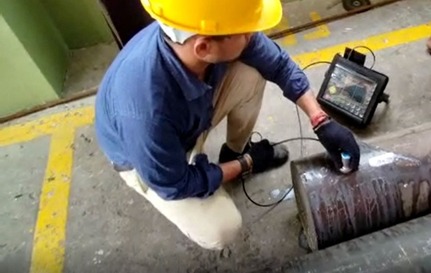
Mill Test Certificate (MTC) Ultrasonic Tested Material Hardness Test Report Chemical Test Report
Buyer’s Guide: Selecting the Appropriate DB6 Tool Steel
Some important points to consider before buying DB6 Tool Steel (DIN 1.2714) to get the best out of your application:
1. Choose the Right Hardness
Pick the hardness for your application:
38-42 HRC – Greater toughness and impact resistance 50-56 HRC – Increased wear resistance and extended tool life
2. Choose the required form of material
DB6 Tool Steel is supplied in:
Forged and Rolled blocks Round and Flat Bars ESR and Non ESR Blocks
3. Material Quality Inspection
Always ask for:
Mill Test Certificate (MTC) Ultrasonic Tested Material Material Traceability Spectro Tested Material
4. Match the App
Select DB6, depending on your tooling needs, such as:
Forging Dies Hammer Dies Extrusion Holders for Casting Dies
5. Select a Trusted Supplier
Join hands with a supplier who can support with ready stock, custom machining, technical support and PAN India delivery for consistent quality and timely supply.
70+ Years Experience supplying quality tool steels. 2,000+ Happy Customers in India’s Manufacturing Industry. Supplier of Materials from Reputed International Mills for consistent quality and performance. Tool Steel Ready Stock: DB6,H13,H11,D2,D3,P20,P20+Ni,M2,M35,EN31,OHNS and other grades. Mill Test Certificate (MTC) with full traceability of material. UT Tested & Spectro Tested Material for proven quality and internal soundness. Custom Cutting & Machining Services to suit your required sizes. Material Selection Assistance from experienced technical professionals. Fast PAN India Delivery, timely supply & reduced production downtime.
Virat Steels offers authentic quality, certified material and dependable service for all your tool steel needs. Whether DB6 Round Bars,Forged Blocks, ESR Blocks, Flat Blocks or Cut-to-size Material, we have it all.
Our strong logistics network, ready stock and technical knowledge enable us to provide fast PAN India delivery to forging companies, die makers, tool rooms, plastic mould manufacturers, die casting industries and heavy engineering businesses.
Virat Steels is your trusted partner for premium quality DB6 Tool Steel with 70+ years of experience, 2000+ customers, ready stock, MTC, UT & Spectro Tested materials and PAN India delivery.
Call us or send your drawing to receive a customised material recommendation.
Request a Quote
Looking for premium-quality DB6 Tool Steel (DIN 1.2714)?
Virat Steels supplies DB6 Round and Flat Bars & Forged and Rolled Blocks, ESR /non ESR Blocks, Cut-to-Size Material with:
✔ 70+ Years of Industry Experience ✔ 2,000+ Satisfied Customers ✔ Ready Stock ✔ MTC Available ✔ UT Tested Material ✔ Spectro Tested Material ✔ Custom Machining ✔ PAN India DeliveryUltrasonic testing (UT)db6 tool steel ultrasonic testingDB6 heat treatment
Contact Virat Steels today for technical guidance and a customized quotation for your DB6 Tool Steel requirements.
Virat Steels | India's Leading Tool and Die Steel Supplier If you've ever looked at a tool steel datasheet and wondered what "58 HRC" means and why it matters for your die or mould. Hardness is one of the most critical properties in tool and die steel selection. Get it right, and your tooling performs reliably for thousands of production cycles. Get it wrong, and you're facing premature wear, unexpected cracking, or both. This complete blog explains what is the Rockwell C scale means, maps HRC ranges to every major tool steel grade, and shows you exactly how to choose the right hardness for your application. What is Hardness in Steel and Why Does It Matter? In simple terms, hardness is a material’s ability to resist dents, scratches, or permanent deformation under pressure. For tool and die steel, hardness is one of the most important properties because it affects: · Wear resistance – resists abrasion ...
At Virat Special Steel , we bring you top-notch quality in tools, die, and mould steel materials that go beyond expectations. Crafted with precision and engineered for excellence, our steel is a class apart, delivering durability, strength, and consistency to power your projects. Virat Special Steels apart is not just its extensive product range, which includes everything from Die Steel to High-Speed Steels, but also its unwavering commitment to quality. By importing Tools & Die Steels from globally renowned manufacturers. Virat Special Steels ' mission goes beyond mere supply; it aims to support and enhance the tool and steel products industry by empowering businesses with high-quality materials that are crucial for their success. The company's product list is a testament to its diverse offerings: Die Steel (HH 370 - 410 BHN) (DIN-1.2714 / AISI L6) Hot Die Steels (DIN 2343, 2344 / AISI H11, H13) Plastic Mould Steels (DIN 2738, 2311, AISI P 20) High Speed Steels (DIN 3...
In the tool and die manufacturing industry , the successful production line often begins with one important decision that is choosing the right tool steel grade . When the correct steel is selected, dies last longer, machines run smoothly, and production targets are achieved with consistent quality. Every manufacturing process has its own demands. A forging die must withstand intense heat and pressure, while stamping dies and cutting tools require exceptional wear resistance and hardness. Similarly, molds need the right balance of toughness and durability to perform reliably over thousands of production cycles. Over time, die makers have learned that not all tool steels perform the same. Through years of experience and industrial use, certain grades have earned the trust of manufacturers because they consistently deliver strength, durability, and excellent performance on the shop floor . These trusted grades have become the preferred choice for die makers looking to ...



Comments
Post a Comment